

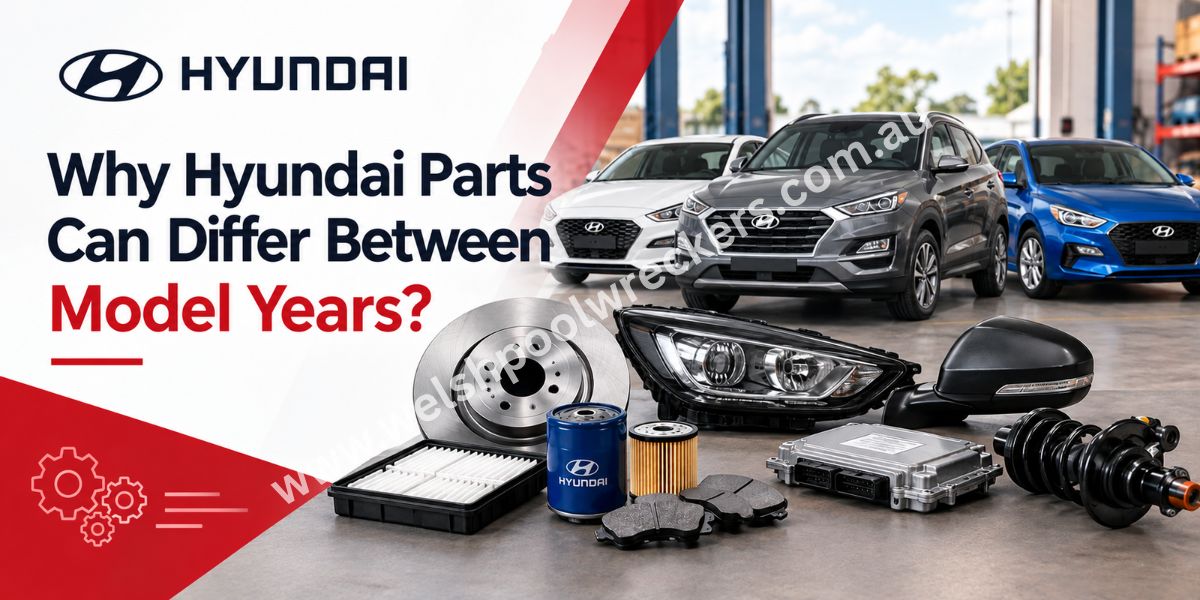
Why Hyundai Parts Can Differ Between Model Years?
October 27, 2026
Finding the right replacement part for a Hyundai is not always as simple as matching the vehicle’s make. Two cars with the same model name may have different components depending on their year, engine, trim level and manufacturing updates.
This matters when repairing an older Hyundai. A part that looks correct may have different mounting points, electrical connections or specifications. Buying the wrong component can lead to extra costs, installation delays and unnecessary frustration.
Understanding why Hyundai parts differ between model years can help vehicle owners make better decisions before ordering a replacement.
1. Model Updates Can Change Vehicle Components
Car manufacturers regularly update their vehicles. These changes may include exterior styling, interior features, engine options and mechanical components.
For example, a Hyundai i30 from one model generation may have different headlights, bumpers or dashboard components from a later version. Even when the overall shape looks similar, the parts may not be interchangeable.
The same issue can affect models such as the Hyundai Accent, Tucson, Santa Fe and Elantra.
Before buying a replacement, identify the vehicle’s exact model year and generation. Do not assume that a part from another vehicle with the same model name will fit.
Checking these details first can save time and help you find a suitable component.
2. Engine Options Can Affect Parts Compatibility
Some Hyundai models have been offered with different engine sizes and configurations. These differences can affect the parts required for servicing and repairs.
Components such as alternators, starter motors, cooling system parts and engine sensors may vary between engine versions.
Transmission type can also affect compatibility. A component designed for one transmission configuration may not suit another version of the same model.
Before ordering an engine-related part, check the engine code or the original component’s part number where possible. Your vehicle handbook or a qualified mechanic may help you identify the correct specifications.
Providing accurate vehicle details to a parts supplier is especially important when buying mechanical or electronic components.
3. Trim Levels Can Make a Difference
Vehicle trim levels determine which features and equipment are included in a particular version. These differences can affect both interior and exterior replacement parts.
For example, two Hyundai vehicles from the same year may have different seat designs, steering wheel controls, infotainment systems or lighting equipment.
A vehicle with additional features may also use different wiring or electronic components.
When replacing interior parts, mirrors, lights or dashboard equipment, check whether the replacement matches your vehicle’s version.
Photos can help with identification, but appearance alone is not always enough. Confirm the part number and specifications before purchasing whenever possible.
4. Electrical Components Need Extra Checking
Modern vehicles use electronic systems to control many functions. Depending on the Hyundai model, these may include engine management, climate control, parking assistance and infotainment features.
Electronic components can look similar while having different connectors, software requirements or operating specifications.
For this reason, buying a used electronic part requires more than checking its physical appearance.
Before purchasing a control module, sensor or other electrical component, confirm its part number and compatibility with your vehicle. Some replacements may also require coding, programming or calibration after installation.
A qualified mechanic or auto electrician can help determine whether the component is suitable and whether additional work will be necessary.
5. Use Part Numbers to Check Compatibility
A manufacturer’s part number can be one of the most useful ways to identify a replacement component. It provides a more precise reference than the vehicle’s model name alone.
If you still have the original part, look for a number printed or stamped on its label or housing. Take a clear photograph so you can share the details with a supplier.
However, a different part number does not always mean a component is incompatible. Manufacturers sometimes update part numbers or introduce approved replacements.
Ask the supplier to confirm whether the original and replacement numbers are interchangeable. Where necessary, provide your vehicle identification number (VIN) to help verify the correct specification.
Taking these steps before ordering can reduce the risk of purchasing a part that does not fit.
6. What to Check Before Buying a Used Hyundai Part
Used parts can be an option for repairing an older vehicle, particularly when a new replacement is expensive or difficult to find. However, compatibility and condition should both be considered.
Before making a purchase, check the following:
- Vehicle details: Confirm the model, year, engine and trim level.
- Part number: Compare the number with the original component where possible.
- Physical condition: Look for cracks, corrosion, damaged connectors or broken mounting points.
- Testing: Ask whether the component has been inspected or tested.
- Warranty and returns: Confirm the terms that apply to the specific part.
- Installation costs: Check whether fitting, programming or calibration will add to the total expense.
Safety-related components require particular care. Ask a qualified mechanic whether a used replacement is appropriate for the intended repair and meets applicable requirements.
A low purchase price is not necessarily the best value if the part is unsuitable or needs additional work.
7. Why Vehicle Details Matter When Sourcing Hyundai Parts
When contacting a parts supplier, providing complete vehicle information makes the identification process easier.
If possible, have your Hyundai’s model, year, engine size, transmission type and VIN ready. You can also provide the original part number and photographs of the component.
These details help the supplier narrow down the available options and check whether a suitable replacement can be sourced.
If you are looking for specialist assistance, Hyundai Wreckers Perth is a useful starting point for enquiries about Hyundai vehicles and available parts. Contact the team with your vehicle details to ask about availability and compatibility.
Stock can vary depending on the model and component, so confirm the details before arranging a purchase.
8. Compare the Total Cost Before Deciding
Once you have identified a compatible part, compare the full cost of the repair rather than looking at the component price alone.
A used part may cost less than a new replacement, but installation, delivery, testing or programming may affect the final expense.
For an older Hyundai, consider the vehicle’s overall condition and whether other repairs are likely to be needed soon. If several major components require attention, a mechanic can help you assess the likely costs and decide which repairs are worthwhile.
Making this comparison helps you avoid spending money on a replacement without understanding the broader repair requirements.
Conclusion
Hyundai parts can differ between model years, engine options and trim levels, even when vehicles look almost identical. Checking the vehicle details, part numbers and component condition before buying can help prevent compatibility problems and unnecessary expenses.
Whether you need a mechanical component, an electrical part or an exterior replacement, take time to confirm the specifications before ordering. When you are uncertain, ask a qualified mechanic or parts supplier to verify the fitment.
With the right information, finding a suitable replacement for an older Hyundai can be a more straightforward and cost-effective process.
Recent Posts
-
How to Check If a Used Car Part Will Fit Your Vehicle?25 Sep 2026
-
What Affects a Cash Offer for an Unwanted Car?25 Aug 2026
-
Top Holden Parts Still in Demand After Production Ended08 Jun 2026
-
Why Perth Car Owners Prefer Professional Car Wreckers?19 May 2026
-
Which Car Parts Are Worth Selling Separately?17 Apr 2026
Categories
- Automotive (31)